Care of wounds has been revolutionized in the last few years. With that advancements, today doctors have better tools and methods; which cures its patients in a much faster and effective way. One promising development is that of bandages laced with growth factors.
A growth factor is a protein that helps cells to grow and heal in your body. These are proteins found naturally in our bodies, which scientists have figured out how to purify and add into bandages. This wound care means that if someone gets injured, these proteins can help in healing the wound faster thereby, acting as an assisting agent to reduce time for which bandages are required.
Home / Skin New Technologies in Wound Care
This is just one of several new technologies that are using growth factors in bandages to help us heal our skin. Smart dressings are among the most promising technologies.
Smart dressings are novel bandages equipped with miniaturized sensors. These sensors assess wound-healing progress. They can tell, as an example, whether that wound is beginning to get infected or not healing properly. It also means the doctors can help their patients much earlier if anything is wrong and that they provide the right treatment to prevent a wound getting worse.
An additional inventive idea consist in the use of miniature particles nanoparticles as bandages. These particles are so small that they can even penetrate the outer layer of skin and reach a wound more directly than traditional treatments. To make it easier to understand: together with scientists, they have come up with particular vehicles for these healers when introducing the medicine directly at levels 1-3. Future research shows great promise for advancements in wound care.
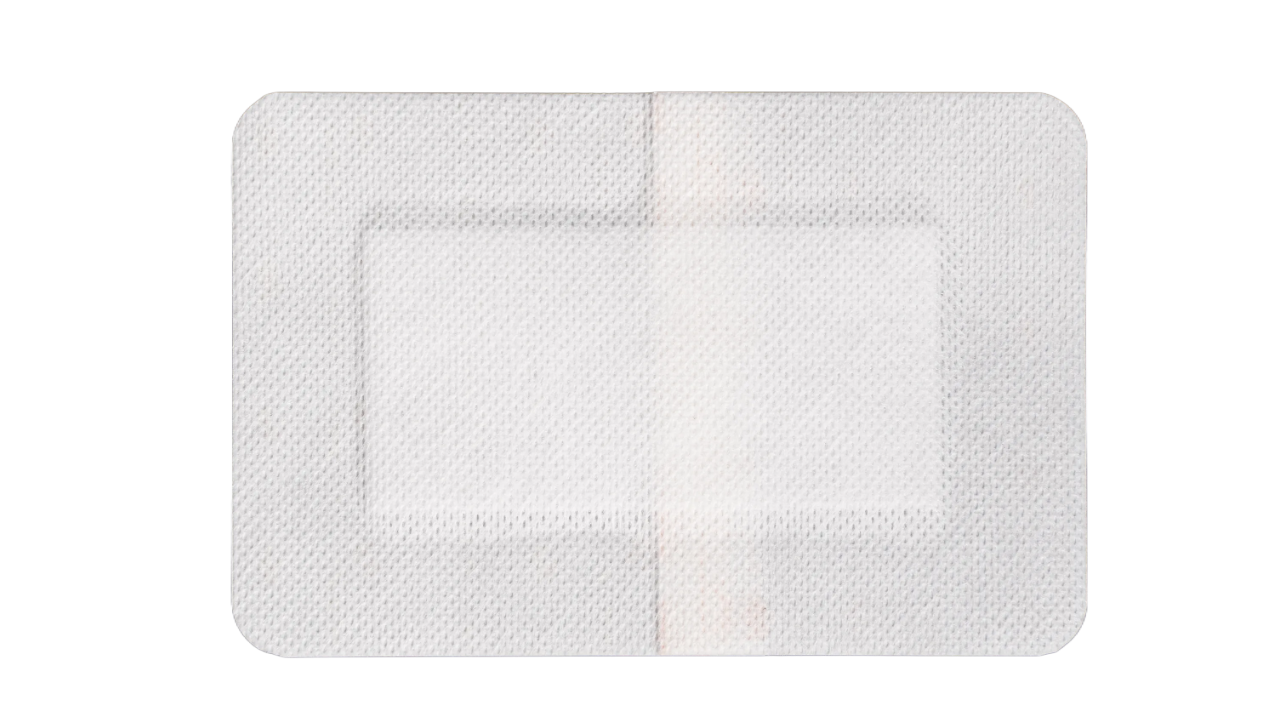
3D Printing in Wound Care
3D Printing is an untold smart technology system with which we can manufacture numerous unique features like toys to advanced complex machinery. It has more than proved its worth, and is now likewise being used in the medical industry for dealing with injuries.
Doctors can use 3D printing technology to build special bandages that are custom tailored onto a wound. They utilize 3D scanning tech for a detailed and accurate understanding of the wound. After that, they can 3D print a special bandage and cover the entire area of injury. It is important to note that this feature keeps pathogens and dirt out of the nose limiting any infections. Another good thing about it is that when removing the dress which can be quite a painful experience, there will be no pain experienced by any patients.
The Future of Wound Care
Their article, however sets you on interesting journey of what the future for wound care nurse technology holds in light to these major modern advancements. However, it still has space to expand and some of the possibilities include:
Stem cells develop stem cell transplantation: Stem cells may be different types of the child's body which contain particular features. Research is being done to explore the possibility of using stem cells to heal wounds, which could help generate new skin cell growth that would ultimately envelope the area injured.
Gene therapy: A treatment that involves altering cells in a patient's body so those altered being can help the body to be better healing itself. Now, researchers are looking into possibly being able to turn on these other genes - the ones that could help bring about healing of various injuries or illnesses more quickly.
Artificial skincare: Scientists are trying to grow synthetic skins that will administer wounds. This could be particularly important for burn wounds where there is a great deal of skin that needs to be replaced or in patients with no native uninjured donor sites.
Better Bandages for Patients
In a few years, wound closure strips have been revolutionized to fit different wound types and cater for patient-specific requirements. Below are some new bandages in the works, all designed to help patients heal better:
Hydrogels are specialty dressings composed of water and a polymer. They also keep the wound moist, and wounds heal much faster when kept in a warm & wet environment.
Foams: Foams are super absorbent covering which is used for wounds that generate a lot of fluid. They absorb the extra fluid, which can help keep the wound clean and infection-free.
Collagen dressings: This is a type of dressing that contains collagen, which is one protein found in our skin. Collagen dressings are intended to replace any collagen that has been lost from the wound bed and stimulates new tissue growth.
In conclusion, progress in wound care technology has been rapid and there are numerous promising developments on the horizon. The treatments are now personalized and easier for the patients to heal including faster ways. In order to do so, it is crucial more than ever before that new horizons of wound care still allow patients the most appropriate and possible advancements for their recovery.